First time flying: what to do at the airport
First time at the airport can feel overwhelming, especially when you’re not sure what you’re meant to do. With so many signs, queues, rules and little “don’t do this” moments, it’s easy to think you’ll get something wrong.
The good news is that airports follow a simple order. Once you know the steps, it stops feeling scary and starts feeling routine. You’ll move from arriving at the airport to check-in (if you need it), through security, then on to your gate and boarding.
One quick note: every airport is a little different, but the basic sequence stays the same. Learn the order once, and you can use it almost anywhere.
Before you go
Before you leave home
The easiest way to feel calm at the airport is to do a quick prep check the night before. A few small things make a huge difference once you’re there.
Start with your travel document. Make sure you have the right one for your destination. If you’re travelling within the EU/EEA and you can use a national ID card, an ID card is often enough, but other trips require a passport. Check the expiry date too. Some destinations expect your passport to be valid for months beyond your travel dates. Make sure the name on your booking matches your document exactly. Do this well in advance, then check again the night before and once more before you leave the house.
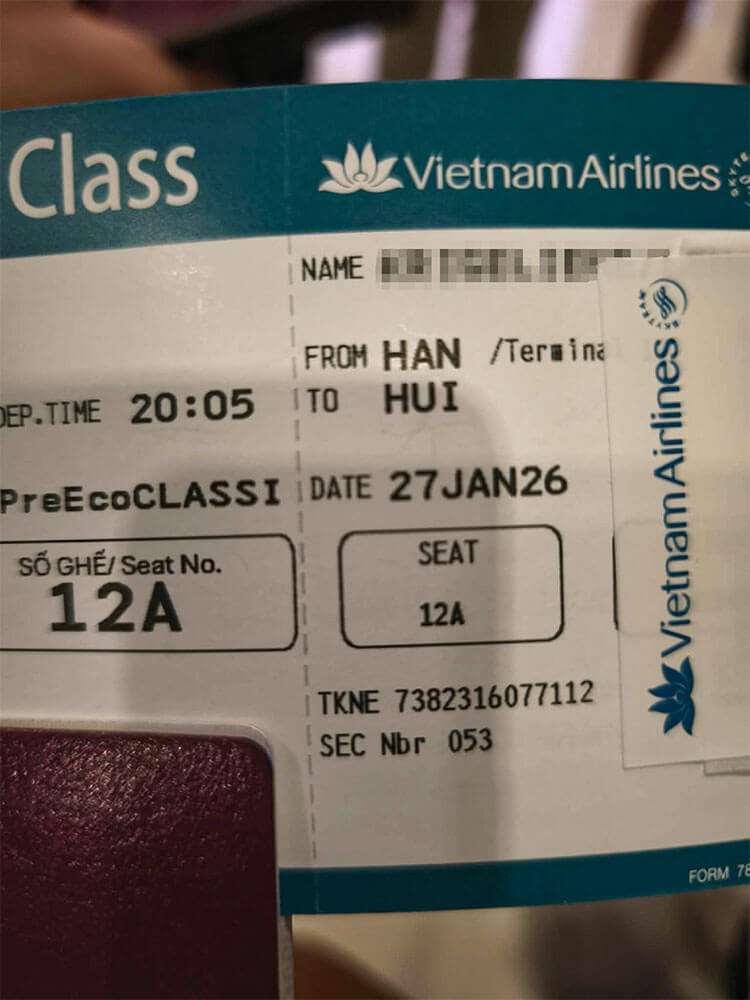
Next, sort your boarding pass. If you can, keep it in two places: saved in your phone wallet or app and as a screenshot in case mobile data is patchy. Make sure your phone is charged. Keep your power bank in your hand luggage, not in a checked bag.
Check in early
If online check-in is available, do it. It usually opens 24 to 48 hours before departure. It is one less queue, and it removes a lot of the “am I doing this right?” feeling. If your airline has an app, it’s often the easiest place to see the latest time changes too.
For hand luggage, always check your airline’s size rules on their official site. They can be strict, and they do change. Pack your essentials near the top so you can grab them quickly: ID or passport, boarding pass, bank card, phone, charger.
Make security easier
Liquids are where first-timers often get caught out. In many airports, the 100 ml rule still applies, even if some places now use newer scanners. Pack as if you’ll need to follow the standard rule, and be ready to take liquids and electronics out if asked.
Finally, plan your timing. Aim to arrive early enough that queues won’t rattle you. Two hours is often the minimum, and three hours can feel much calmer at bigger airports or during busy periods. Re-check your flight time in your airline app the night before and again in the morning. It saves nasty surprises.
If you want to feel extra comfortable, this is also the moment to pack small helpers: chewing gum or sweets for your ears, tissues, a small hand sanitiser, and a layer you can put on if the cabin feels cold.
Getting to the airport
Decide how you’ll get to the airport before the day of travel. If there’s a simple direct public transport option, it’s usually the cheapest and most predictable. If public transport means multiple changes, late-night gaps, or a lot of walking with a bag, a taxi or a lift from someone you trust can feel much easier.
For a first flight, the best choice is the one with the fewest unknowns. Sometimes a taxi is simpler, but the price can add stress too. Pick what keeps you calm.
Give yourself time
It’s worth leaving earlier than the usual “2 to 3 hours before departure” rule. Even if it feels too early, time at the airport rarely drags the first time. Arriving with a buffer gives you space to find your way without rushing.
Some airports have more than one terminal, so check yours in advance. Use official sources like your airline app, the airline website, or the airport website. It sounds obvious, but it matters. I once wrote down the wrong departure time in Sicily and arrived when boarding had already finished. I still got on the plane, but it was a stress level nobody needs. Since then, I always double-check the time the night before and again in the morning.

Keep essentials close
Keep the things you’ll need easy to reach: your passport or ID, boarding pass, and a power bank. Bring an empty bottle too. Many airports have water fountains or refill points after security, and it helps you avoid buying overpriced drinks. Full bottles often get taken at security, so it’s not worth carrying water through.
At the airport
Arriving at the airport
When you walk into the airport, look for signs pointing to Departures first. If the airport has more than one terminal, take a moment to check you’re in the right one.
And if you need the loo, use it while you can. In some airports there are fewer toilets before security, and queues can take longer than you expect.
Know where to go next
If you’re travelling with hand luggage only, you can usually head straight towards security. In some airports you’ll need to scan or show your boarding pass before you enter the security area, so keep your ID and boarding pass easy to reach.
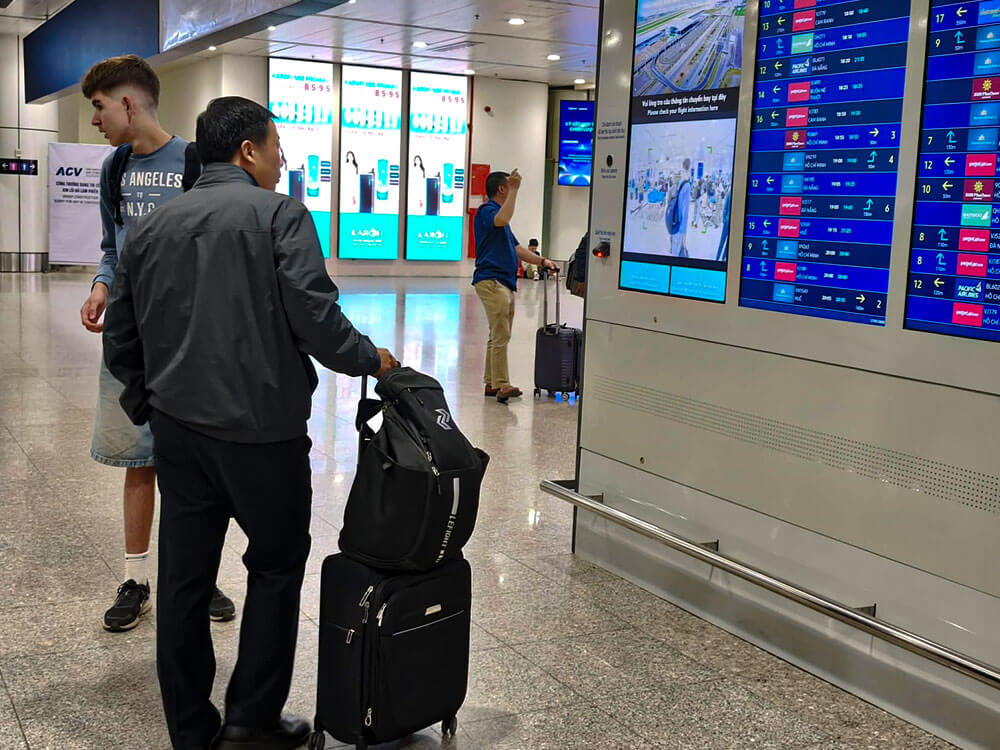
If you’re checking a bag, you’ll need to drop it off first. Have your boarding pass ready and look for your airline on the information screens. Sometimes bag drop is not open yet, so you may need to wait until your flight appears with a desk number. When it does, follow the signs to the right check-in desk and join the queue.
If you’re unsure
If anything feels unclear, keep it simple. Follow the signs, check the screens, or ask a member of staff. Airport staff are used to first-timers, and a quick question can save a lot of stress.
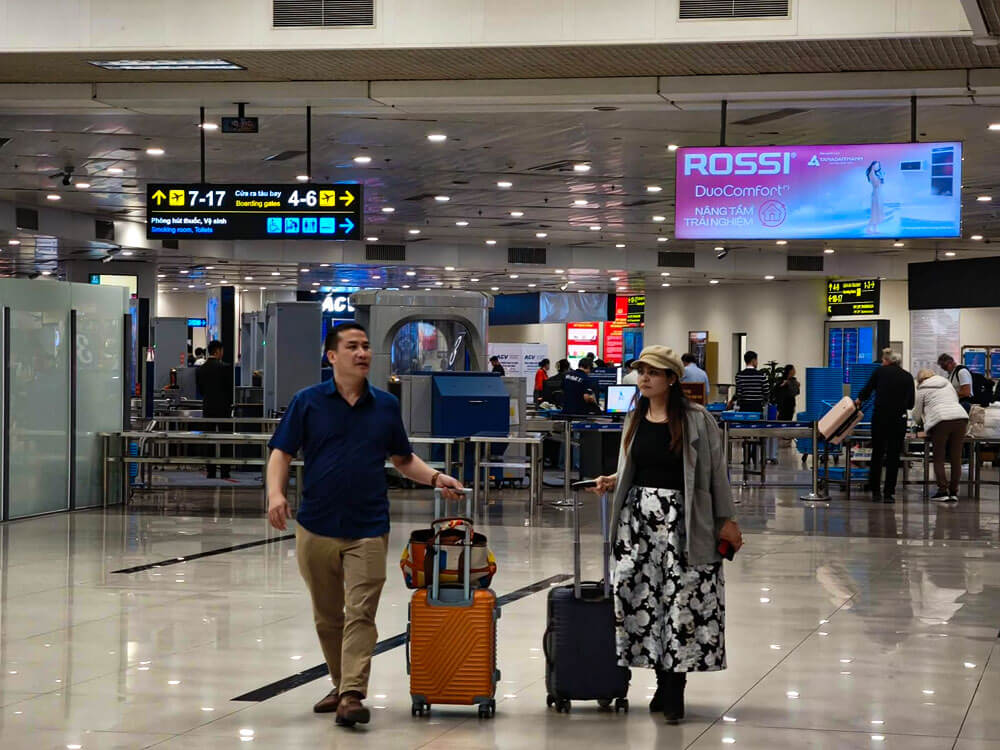
Security check
Security is where first-timers often feel the most stress, but it becomes much easier once you know the basic rhythm. There’s usually a long, winding queue before the scanners. I call it the “snake”, because it feels like you’re looping around for ages before you even reach the trays.
If you want it to go smoothly, start getting ready before you reach the front. Take off your jacket, empty your pockets, and keep your phone, ID, and boarding pass easy to reach.
At the scanners
When you get to the scanners, you’ll usually see a few security lanes with trays and a conveyor belt. Join the shortest queue, or go where staff direct you. Grab as many trays as you need. It’s quicker to use two than to cram everything into one and have it pulled aside.
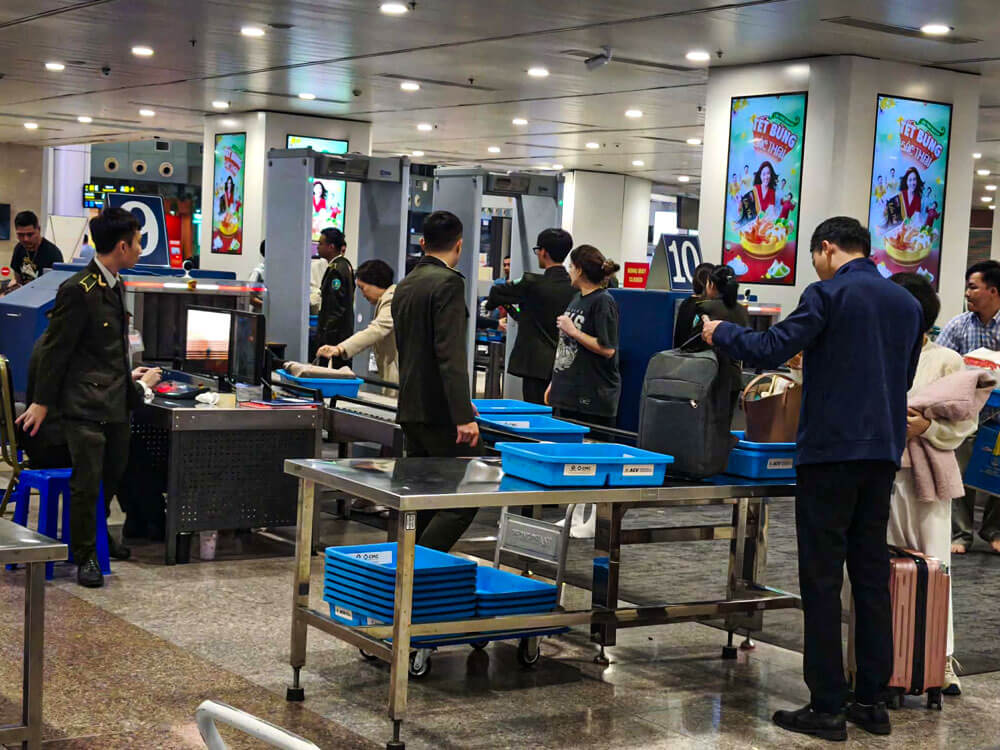
Rules vary by airport, but this order usually helps. Empty your pockets completely. Put keys, coins, phone, belt, and watch into a tray. Jackets and blazers usually go in a tray too. Liquids and electronics often need to come out, but only if staff ask or signs tell you to.
If you get stopped
Once your trays go onto the belt, wait for the signal to walk through. If the scanner beeps, don’t panic. It can be something simple like a belt buckle, a forgotten tissue in a pocket, or a metal zip. Staff might ask you to go again, remove shoes, or do an extra check. Sometimes they swipe your hands or bag for a quick test. It is normal, and it happens to all sorts of people.
After you’re through, step to the side before you repack. Take a calm minute, check the tray is empty, and do a quick pocket check so nothing gets left behind.
After security
Once you’re through security, step to the side and repack properly. Put anything back where it belongs, and make sure you’ve got your phone, bank card, ID, and boarding pass. If you have a jacket, it can be easier to pack it away now so you can move around hands-free.
Find your flight
Next, find a departures screen and locate your flight. The easiest way is by flight number, but you can also check the destination and time. This is where you’ll usually see your gate. If the gate is not shown yet, don’t worry. That’s normal, and it will appear later.
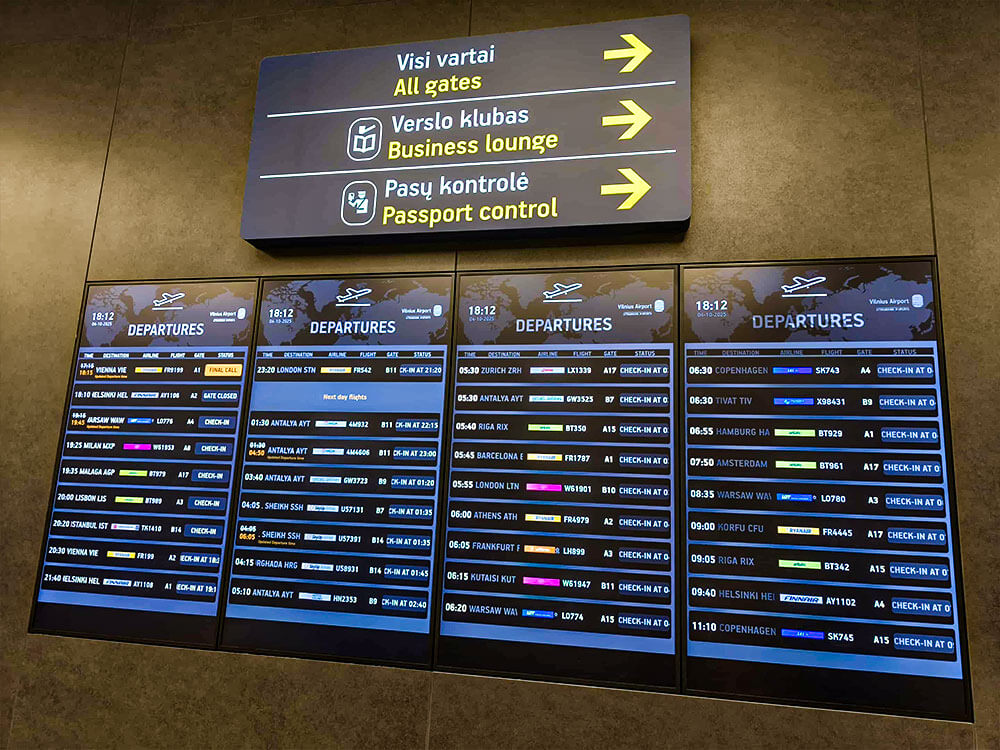
Common statuses you might see:
- Check-in open: check-in is currently open
- Check-in opens 10:30: check-in will open at that time
- Go to gate: head to the gate now
- Boarding / Now boarding: boarding has started
- Final call: last call to board
- Gate closed: boarding finished
- Delayed: the flight is running late
- Cancelled: the flight will not operate
Make waiting feel easier
Once you know the gate, follow the signs. Some airports show the walking time to the gate, which is genuinely useful. If it looks like a long walk, go straight away. If it’s nearby and you have time, you can use the toilet, refill your water bottle, and grab a snack.
I usually find the gate first, check it matches my destination, then decide what to do with the remaining time. You do not need to sit at the gate for ages, but it’s worth being close by before boarding starts.
I also like spending the waiting time in a café. Yes, airport coffee and food are usually more expensive, but for me that time is part of the trip. It’s the start of the holiday mood. When I buy the pricier coffee, I’m paying for the feeling and the build-up, not just the drink. If you can, sit by a window and watch the planes. It turns waiting into something you actually enjoy.

Stay updated
Keep in mind that gates can change, and delays happen. Check the screens now and then, and if you use an airline app, notifications help. I once nearly missed the start of boarding in Egypt because it began quietly and people were already moving through when we looked up. Since then, I stay within easy walking distance and keep an eye on what’s happening.
If you don’t have priority boarding, it can be worth joining the queue a little earlier, especially if you want space in the overhead locker. Just remember that getting through the gate first does not always mean stepping onto the plane straight away.
Boarding
Boarding is the second moment that can feel stressful, even if everything else has gone smoothly. For me, that feeling comes from one very specific memory. I once wasn’t allowed to fly to Rome because my document had expired. Since then I always check expiry dates properly, but boarding still gives me that little nervous flutter.
Most of the time, though, boarding is simple. You wait near the gate, listen for announcements, and join the queue when your group is called. If you join too early, you often just stand still for longer.
At the gate
Staff scan your boarding pass and may ask to see your passport or ID. They are usually checking that your name matches, and that your document is valid. It is routine, and it takes seconds.
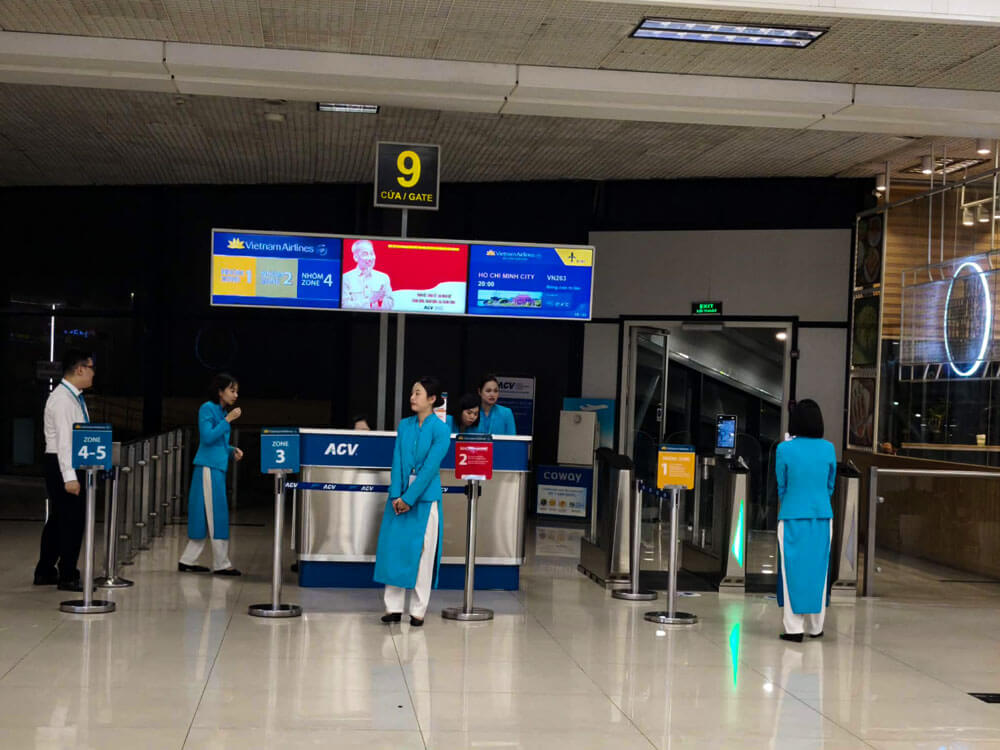
If your boarding pass is on your phone, make sure your screen brightness is up and your battery is not on its last legs. A screenshot is a handy backup.
Bag rules
Sometimes staff check hand luggage size. If your bag looks a bit large, they might ask you to place it into the metal frame by the gate. If it fits easily and nothing sticks out, you’re fine. If it does not fit, you may be asked to pay and have it checked in. That is why it helps to stick to your airline’s size limits, even if your bag is only a little bigger.
Getting on board
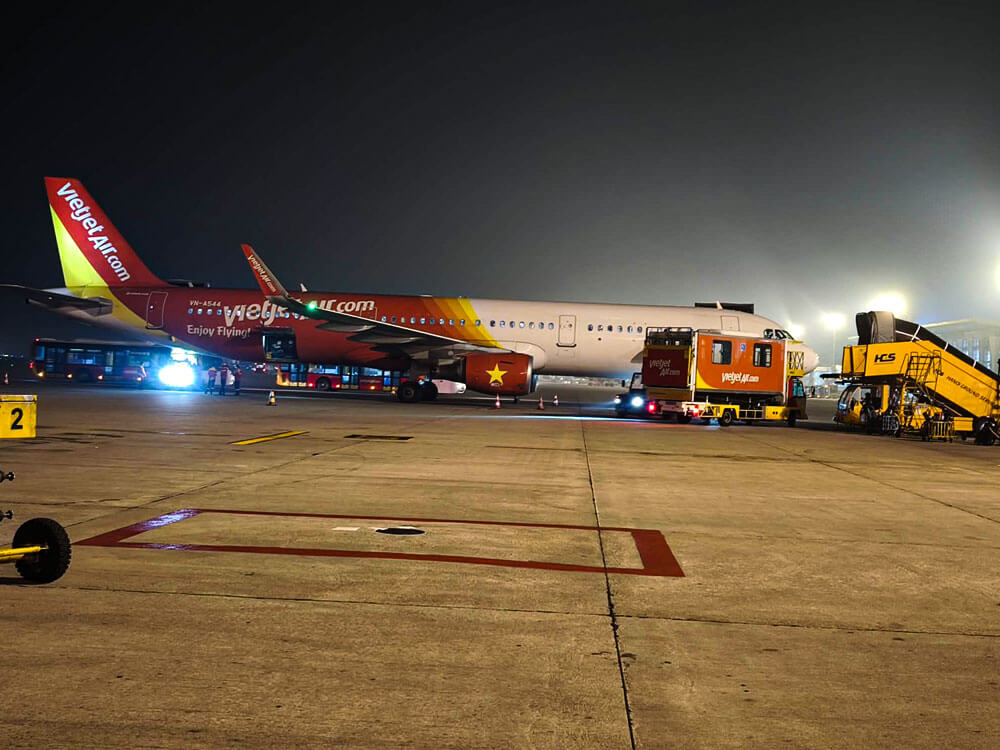
After the gate scan, you might walk straight onto the plane through a jet bridge, or you might go by bus and use the stairs. Both are normal.
On the plane
On the plane: what to expect
Your boarding pass sometimes tells you which door to use, front or rear. If it does, follow that. It can save you squeezing past people in the aisle.
Once you’re on the plane, find your row and seat, then stow your bag. A small backpack usually goes under the seat in front. A larger cabin bag goes in the overhead locker. If the lockers are already full, don’t stress. Cabin crew may ask you to move a backpack so someone can fit a suitcase, or they’ll suggest the best place for your bag.
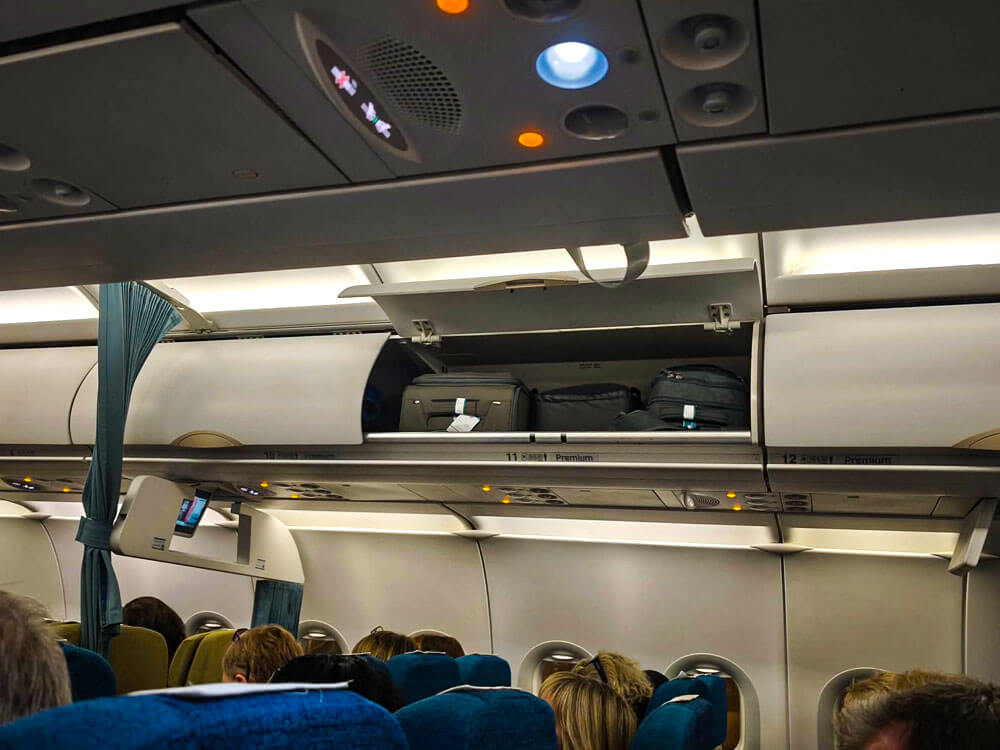
Sit down and fasten your seatbelt. It’s worth keeping your seatbelt on whenever you’re seated, not only for take-off and landing. Turbulence can happen without much warning.
Safety first
Before take-off, cabin crew do a safety demonstration. Even if it feels repetitive, it’s worth watching. Notice where the nearest exits are, and where the life vest is stored. I’ve flown plenty of times and I still pay attention, just in case.
Take-off
Take-off can feel intense the first time. There’s noise, speed, and a strange push back into your seat. That’s all normal.
Ear pressure is common, especially during take-off and landing. Chewing gum, sucking a sweet, or swallowing water can help. For a first flight, it’s worth having something ready. Later you’ll learn what your ears are like.
If you’re prone to anxiety, having a simple routine helps. Put on music, start an audiobook, or focus on slow breathing. It gives your brain something to do while your body catches up.
During the flight
Food and drinks depend on the airline and flight length. On short flights, especially with budget airlines, you usually buy snacks on board. I still prefer bringing something from home. Solid food is usually fine to carry onto the plane, but rules can change depending on where you’re travelling to. If you’re unsure, keep it simple and finish leftovers before you land.
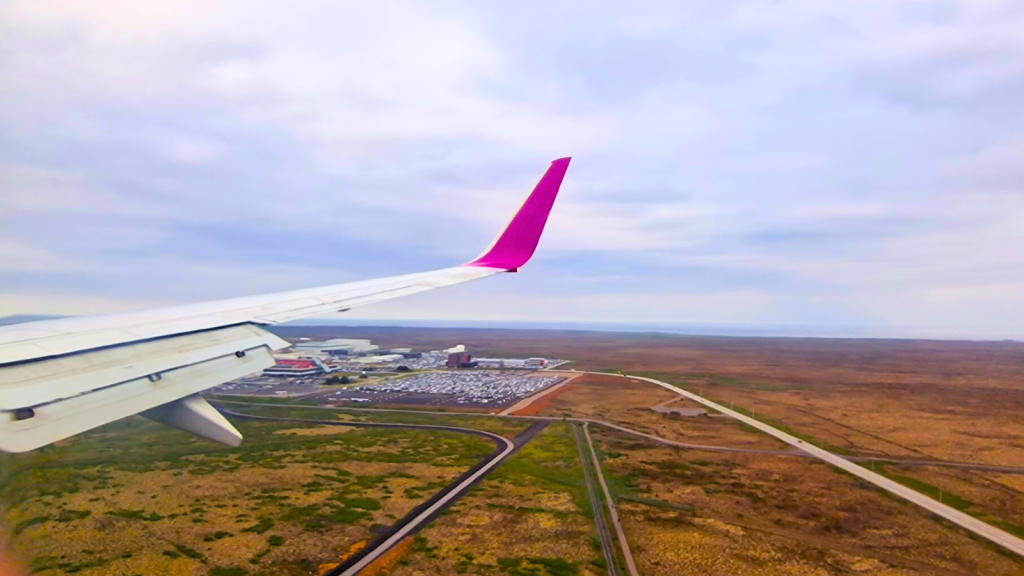
Once the plane is cruising and the seatbelt sign is off, you can use the toilet and stretch your legs. Try not to go right when the crew are moving a trolley down the aisle. Other than that, it’s fine to get up for a quick break.
After landing
Before landing, the seatbelt sign comes back on and the crew will tell everyone to sit down. If you’re in the toilet or standing, head back to your seat straight away. Landing can feel bumpy for a moment when the wheels touch down. That’s normal. Sometimes people clap, sometimes they don’t. Either is fine.
After landing, don’t rush to stand up. Wait until the doors open and the row in front starts moving. Use the time to gather your things calmly and do a quick check of the seat pocket and under your seat.
After you land
What to do after you land
After landing, getting into the terminal can happen in a few different ways. Sometimes you walk across the tarmac, sometimes there’s a bus, and sometimes you go straight into the building through a jet bridge. Whatever the set-up, the next steps are always signposted, so let the signs do the thinking for you.
Follow the signs
If you’re travelling with hand luggage only, you can usually head straight towards Exit or signs that say To the city. If you’ve landed in a country outside the EU, you may need to go through Passport control first. Have your passport or ID ready before you reach the queue, and watch the lane signs so you join the right line.
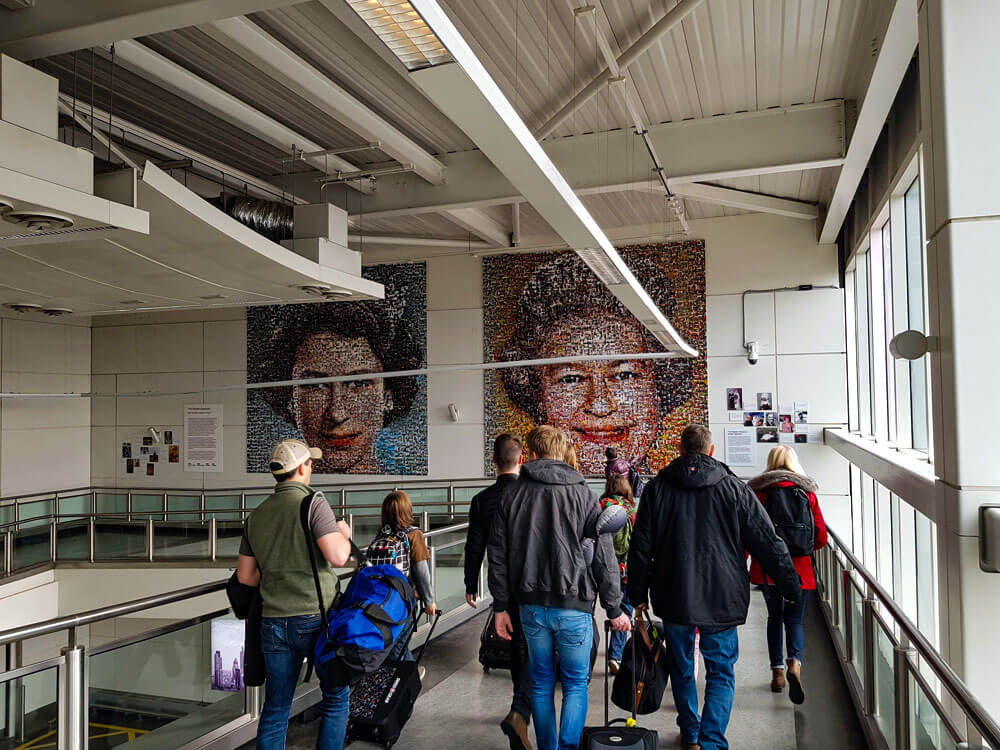
If you have a connection, look for Transfers or Connecting flights instead of Exit. If this is your first time flying, connections can feel like a lot, so give yourself extra time and follow signs carefully.
If you need baggage reclaim
If you checked a bag, follow signs for Baggage reclaim. In larger airports there will be several baggage belts, also called carousels. Look for a screen above the belt that shows your flight number and the city you flew in from. When you arrive, your luggage might not be there yet. That’s normal. Sometimes it’s five minutes, sometimes it’s longer. Wait by the correct belt. If you don’t spot your bag on the first loop, wait for the next one.
Leaving the airport
If you can, don’t rush the moment you land. Use the airport as a reset point. Go to the toilet, take a breath, then work out your next move.
If you need mobile data, an eSIM is often the quickest option, but a physical SIM can work too. Cash is sometimes useful in countries with a local currency, but exchange rates at airports are often worse than in the city, so only take out what you need for the first part of the trip.
When it comes to transport, beginners usually feel best with the simplest option. Follow official signs for trains, buses and the taxi rank. If you can’t find what you need, go back inside and ask at the information desk.
Extra comfort tips
Extra comfort tips for first-time flyers
Small things can make a big difference, especially if you’re nervous or flying early in the morning. If your legs swell on long journeys, compression socks can help. Dress in layers so you can adapt if the cabin is warm or cold.
If you get travel sickness, plan ahead. Sit over the wing if you can, keep your gaze steady, and avoid reading during turbulence. If you use motion sickness tablets, follow the instructions and take them early enough.
Keep yourself busy
Waiting feels longer when you have nothing to do. Download entertainment before you leave home so it works without internet. A book, an audiobook, a podcast, or offline playlists are all easy wins. Simple games also help if you’re anxious, because they keep your brain busy.
If you’re travelling with kids, bring something they can focus on for 30 to 60 minutes at a time. Sticker books, colouring, small puzzles, and snacks can save your sanity.
Small things that help
- Chewing gum or sweets for ear pressure
- A refillable bottle (empty until after security)
- Power bank and charging cable
- Headphones
- Tissues and hand sanitiser
- A pen (useful for forms in some countries)
Conclusion
Airports feel big and confusing when it’s your first time, but the steps are always the same. Get there with a bit of extra time, keep your essentials easy to reach, and focus on one stage at a time. Arrivals, security, gate, boarding.
It also helps to treat the airport as part of the trip, not just an obstacle. Find your gate, then grab a coffee, refill your water bottle, and let yourself settle into the travel mindset. The more calmly you move through each step, the more in control you’ll feel.
And if you forget something or feel unsure, it does not mean you’re doing it wrong. Follow the signs, check the screens, and ask staff. They deal with first-timers every day.
FAQ
How early should I arrive at the airport for my first flight?
A good rule is 2 hours before departure for most flights, and 3 hours if the airport is large, busy, or you want extra breathing space. The calm comes from having a buffer.
Do I need to print my boarding pass?
Usually no. A boarding pass on your phone is fine. A screenshot is a useful backup in case reception is poor or your airline app logs you out.
What if my gate is not showing after security?
That’s normal. Gates often appear later. Check the departures screens again after a few minutes and keep an eye on updates.
Do I always have to take liquids and electronics out at security?
Not always. Some airports and lanes allow liquids and electronics to stay in your bag, but others still require them to come out. Follow the signs and do what staff ask.
What happens if my hand luggage is ‘too big’?
At the gate, staff may ask you to place your bag in the size frame. If it doesn’t fit, you may be asked to pay and have it checked in. The simplest way to avoid this is to check your airline’s cabin bag size rules before you travel.
What should I bring onto the plane for a short flight?
Keep it simple and focus on comfort and the basics: your ID or passport, boarding pass, phone, and a way to charge it. An empty refillable bottle is handy (fill it after security), plus a small snack in case you get hungry. If you’re prone to ear pressure, bring chewing gum or sweets. And if you want the flight to feel quicker, download something to do offline, like music, a podcast, or an audiobook.
